
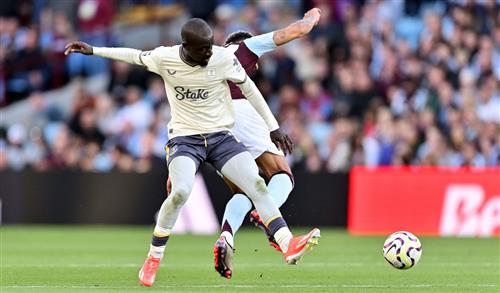
Betting on draws can be a lucrative yet overlooked strategy in the world of sports wagering. While many bettors focus on picking winners, draws offer unique opportunities with potentially higher payouts due to their underdog status. In this comprehensive guide, we’ll explore the ins and outs of betting draws, providing you with actionable insights to enhance your betting approach. Whether you’re a novice or seasoned punter, understanding how to spot and capitalize on draws can significantly improve your success rate.
Understanding Betting Draws: The Basics
Betting draws refer to wagers placed on the outcome of a match ending in a tie, commonly seen in sports like soccer, hockey, or even basketball under specific rules. In soccer, for instance, draws occur in about 25-30% of matches across major leagues, making them a statistically viable option. The appeal lies in the odds: bookmakers often price draws higher than outright wins because they’re less predictable.
To get started with betting draws, it’s essential to grasp the fundamentals. A draw bet wins if the game ends with both teams or players having the same score. This differs from other bets like moneyline or over/under, where a winner is required. Expert bettors analyze historical data to identify patterns, such as teams with defensive playstyles that frequently result in stalemates.
Why Choose Betting Draws?
One key advantage of betting draws is the value proposition. Odds for draws are typically around 3.00 to 4.00, offering better returns compared to favoring a strong team. Additionally, in leagues where underdogs perform well, draws can balance the scales. However, it’s not without risks—unpredictability means you need a solid strategy to avoid consistent losses.
Effective Strategies for Betting Draws
Success in betting draws hinges on research and disciplined approaches. Here, we’ll delve into proven strategies that leverage statistics and trends to identify high-probability draw opportunities.
Analyzing Team Statistics and Form
Start by examining team performance data. Look for teams with a history of drawing matches, especially when facing opponents of similar strength. For example, in the English Premier League, mid-table teams often draw against each other due to balanced capabilities. Use metrics like goals scored/conceded, possession rates, and head-to-head records to predict outcomes.
Practical tip: Focus on leagues known for draws, such as Serie A in Italy, where defensive tactics lead to more ties. Avoid high-scoring leagues like the Bundesliga, where draws are rarer.
Weather and External Factors
External elements can influence match results. Rainy weather, for instance, can lead to more cautious play and fewer goals, increasing draw likelihood. Similarly, mid-week fixtures or games with fatigued teams post-international breaks often end in draws.
Actionable advice: Check weather forecasts and team schedules before placing bets. Combine this with in-play betting to adjust wagers as the game unfolds.
Pros and Cons of Betting Draws
Like any betting strategy, betting draws has its benefits and drawbacks. Understanding these can help you make informed decisions and manage your bankroll effectively.
Benefits of Betting Draws
- Higher odds leading to better payouts.
- Lower competition from casual bettors who overlook draws.
- Opportunities in accumulator bets where draws can multiply winnings.
Expert insight: Seasoned bettors often incorporate draws into their portfolios for diversification, reducing reliance on win-only predictions.
Considerations and Risks
- Draws are inherently unpredictable, requiring extensive research.
- Bookmaker margins can eat into profits if not shopped around.
- Emotional betting—avoid chasing losses on perceived ‘sure draws’.
To mitigate risks, set a betting budget and stick to it. Use tools like statistical models or algorithms to enhance predictions rather than relying on gut feelings.
Comparing Draw Betting Across Sports
To illustrate the differences, here’s a comparison of draw betting in popular sports. This table highlights frequency, average odds, and key considerations.
| Sport | Draw Frequency (%) | Average Odds | Key Considerations |
|---|---|---|---|
| Soccer | 25-30 | 3.5 | Defensive leagues favor draws |
| Hockey | 15-20 | 4.0 | Overtime rules affect outcomes |
| Basketball | 1-5 | 10+ | Rare due to high scoring |
| Tennis | N/A | N/A | No draws; sets decide winners |
This comparison shows soccer as the prime sport for betting draws, with higher frequency and balanced odds. Use this to tailor your strategy to the sport you’re most familiar with.
Advanced Tips and Expert Recommendations
For those looking to elevate their game, consider advanced techniques. Value betting involves calculating if the odds offered exceed the true probability of a draw. For instance, if your analysis suggests a 30% chance of a draw but odds imply 25%, it’s a value bet.
Another tip: Employ the Poisson distribution model to predict scorelines. This statistical method estimates goal probabilities, helping identify likely 0-0 or 1-1 results.
Expert recommendation: Track your bets in a journal. Analyze wins and losses to refine your approach. Remember, consistent small wins from draws can compound over time.
Summary: In conclusion, mastering betting draws requires a blend of statistical analysis, strategic planning, and disciplined execution. By understanding the basics, employing effective strategies like team form analysis and weather considerations, and weighing the pros and cons, you can enhance your betting success. The comparison across sports underscores soccer’s prominence for draws, while advanced tips like value betting provide an edge. Ultimately, approach betting draws with research and caution to maximize returns and minimize risks, turning this underrated option into a profitable venture.
